THE RULE · AGREEMENT BEFORE SPENDING
Nobody owes money she did not agree to spend. Before anyone books a room, orders food, or assigns a purchase, every host names the cash maximum and job she is willing to own.
THE SHORT ANSWER
Modern etiquette is flexible about who may host.
The money rule is simpler:
No spending on someone else’s behalf without agreement first.
If several people want to cohost:
- each person names a maximum cash contribution;
- each person names any job she will own;
- the shower is built inside the total.
No one gets a surprise $200 bill.
Close the money question before you spend. Then the Bridal Shower Short Plan can use the number everyone actually agreed to across the rest of the shower.
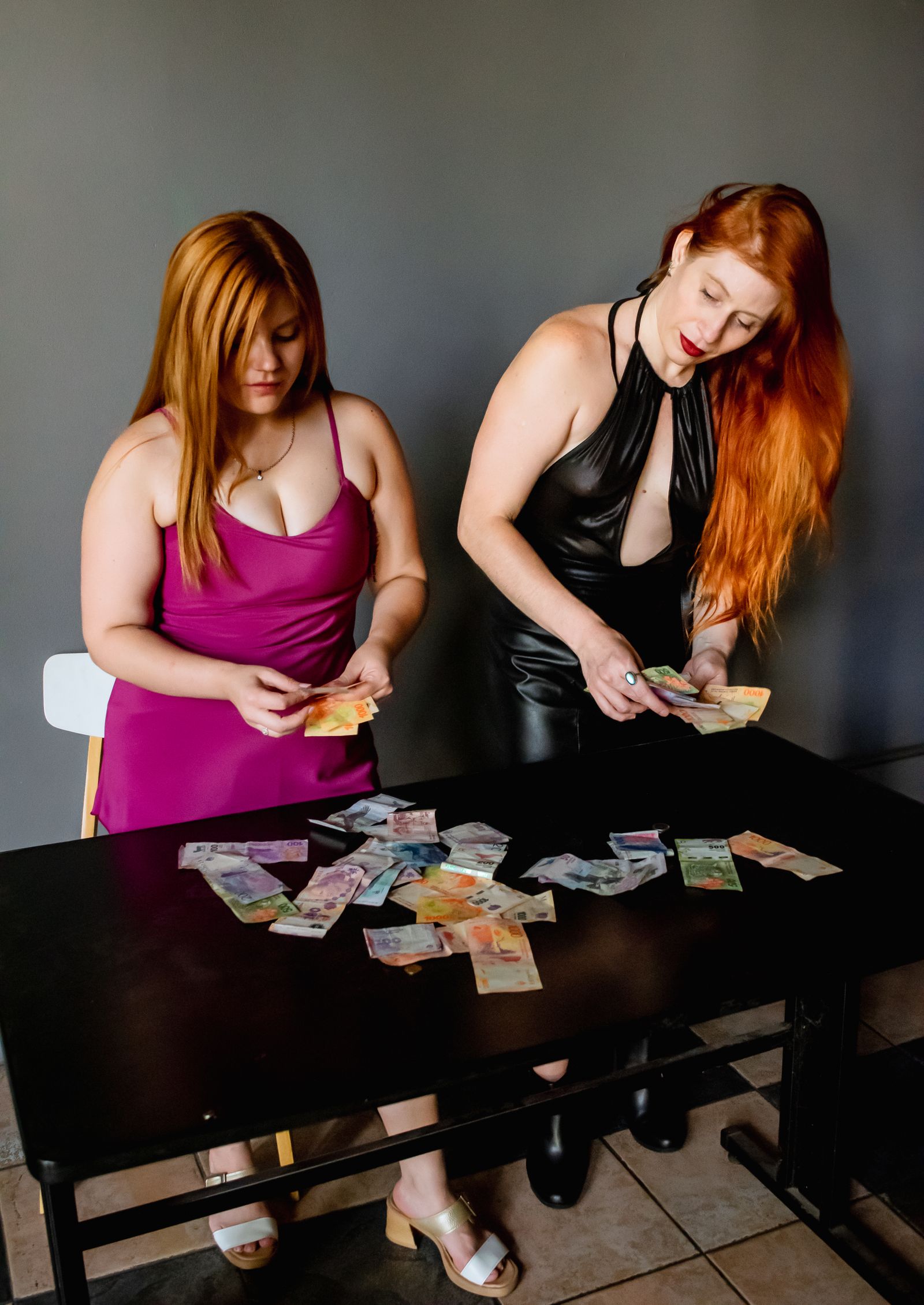
01 — Start with volunteers, not titles
A mother, aunt, friend, maid of honor, or bridesmaid group can host.
The practical question is: Who actually agreed to host?
A title does not assign either the shower or its bill. Hosting and spending belong only to the people who explicitly agree to them.
02 — A helper is not automatically a payer
Someone can own:
- setup;
- games;
- flowers;
- food pickup;
- cleanup;
without paying cash.
Separate:
- money owner;
- task owner.
That separation keeps a volunteered job from turning into an involuntary bill.
03 — Never book first and split later
Use this order:
- Name proposed hosts.
- Ask who wants to cohost.
- Ask each person for a maximum cash contribution.
- Add the agreed total.
- Build the party under it.
- Book.
Keep the agreement before the booking.
That is how “Can everyone send me $275?” appears after the room and caterer are already committed.

04 — Maximum contributions work better than automatic equal splits
Example:
| Person | Max cash | Job |
|---|---|---|
| Mom | $400 | Food |
| Aunt | $275 | Venue |
| MOH | $150 | Invitations |
| Bridesmaid A | $75 | Games |
| Bridesmaid B | $0 | Setup + cleanup |
Total available cash: $900
Now build a $900-or-less shower.
Nobody needs to disclose salary.
They only need to say what they are willing to contribute.
05 — Spending cannot outrun the agreement
If someone agreed to $150, do not spend $225 and call the extra “her share.”
If a new idea raises the cost:
- remove something;
- find a cheaper route;
- ask whether anyone voluntarily wants to add money.
Enthusiasm does not authorize debt.
06 — Ask for help cleanly
Use:
“I’m hosting the shower and have the main budget covered. Would you be willing to own one job—games, flowers, setup, or cleanup? No pressure if your schedule is full.”
For cohosting:
“Before we choose anything, what is the maximum amount you’d be comfortable contributing, if any?”
Maximum is useful.
It keeps the plan inside reality.
07 — Declining an unagreed bill can be short
Use:
“I’m happy to help with setup and cleanup, but I didn’t agree to cohost or to this budget, so I can’t contribute $200.”
Or:
“I can contribute up to $75 and take the lead on [TASK].”
No financial biography required.

08 — Restaurant showers still need a real money plan
Write:
- room fee;
- food;
- alcohol;
- tax;
- gratuity/service charge;
- cake fee;
- décor;
- parking if relevant.
If guests are expected to pay their own way, that expectation needs to be stated clearly before they arrive.
Do not let the check reveal the hosting model.
09 — Volunteered food and labor count as contributions
A lower-cost shower can use:
- home cooking;
- borrowed décor;
- donated flowers;
- setup labor;
- cleanup labor.
The word is volunteered.
Do not assign a $60 tray to someone who already said she cannot contribute cash.
10 — Keep the bride out of host bookkeeping
Ask the bride for:
- guest list;
- date availability;
- preferences;
- accessibility/dietary information.
Hosts manage:
- budget;
- vendor payments;
- reimbursements;
- cost split.
The bride should not become accounts payable for a party being thrown for her.
STOP
The host-money plan is finished when:
- every payer volunteered;
- every payer has a maximum;
- the total ceiling is written;
- every major category has an owner;
- reimbursements are clear;
- no bridesmaid is on an assumed invoice list.
Nobody can be surprised by the bill. Stop discussing who “should” pay.
THIS DECISION IS DONE
The money conversation is closed.
You know who agreed to contribute and what the real ceiling is.
The Bridal Shower Builder takes that number and uses it across venue, food, décor, supplies, and the remaining jobs—without quietly letting the shower grow past what everyone agreed to.
Or see the full Bridal Shower Short Plan if you want the whole system without personalization.
WHAT THIS ANSWER SETTLES
The fair shower budget is the one everyone agreed to before the money was spent.
READ NEXT
Bridal Shower Budget: $250, $500, and $900 ModelsCarry the agreed contributions into one hard spending ceiling.→You can stop at the level of help you need.
| You need | Use this |
|---|---|
| An answer to this one question | This guide — free |
| The entire bridal shower in the right order | The Bridal Shower Short Plan |
| A plan built from your date, guests, venue, budget, food route, helpers, and constraints | Bridal Shower Builder — $39 |
The Builder is not more bridal-shower advice. You answer the questions once. It turns those answers into your deadlines, quantities, shopping, helper jobs, setup, and party-day run sheet.