THE SHORT ANSWER
Give the room two days per round, with a six-day maximum.
First decide whether the problem is the color or the paint finish. Correct hatbanding, patchiness, or uneven sheen before judging the hue. If the dry color itself is wrong, compare two large movable samples beside the floor, bedding, largest furniture piece, and darkest useful wall at three times on two ordinary days.
Any FAIL removes a candidate. One survivor is the expected result. If both fail, run no more than two controlled replacement rounds, then stop after day six. If both survive, use the number of CONCERN ratings as the first tiebreaker.
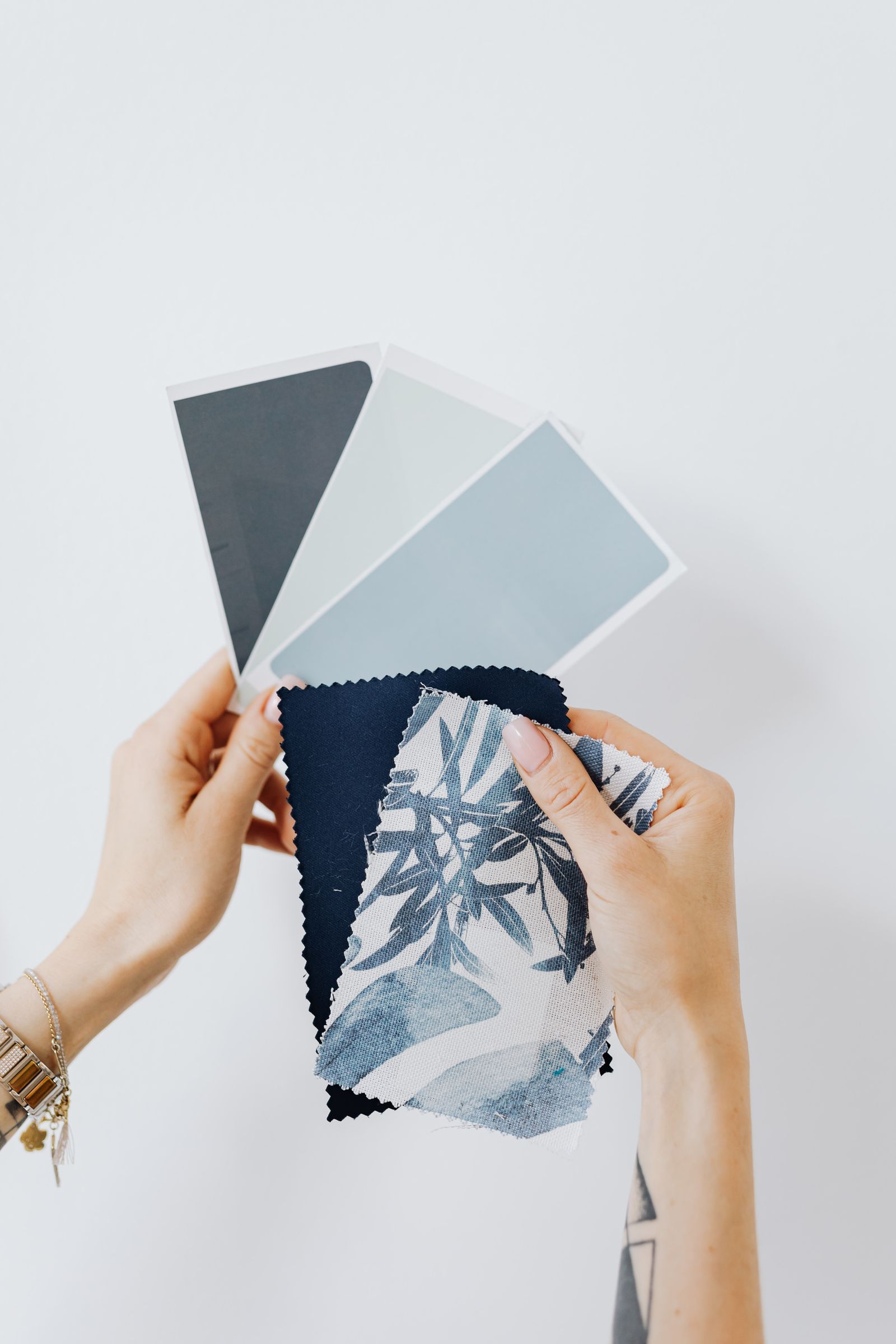
Decide whether the color is wrong or the finish is wrong
Wait until the sample or wall is fully dry. If the whole painted area looks wrong at a named place and time, continue to the color test. If only brushed borders, repaired patches, streaks, or changes in sheen look wrong, correct the finish before buying another sample.
Darker brushed borders are often called “picture framing” or “hatbanding.” Different film thickness, loss of a wet edge, and incomplete mixing can cause them. A new hue will not repair an application defect.
Finish first: identify and correct the defect, let the wall dry, and judge one uniform area. Continue only when the whole dry color still looks wrong.
THE ENTIRE TEST
Four places × three times × two days
The fixed-material veto and the lighting checks are not extra tests. Together they make the 24 scored observations for each candidate.
Prepare exactly two large movable samples
Use small chips only to narrow the color family. Then prepare Candidate A and Candidate B as large movable samples. The Short Plan test uses exactly two active candidates. Before testing, write one room goal such as lighter, calmer, warmer, or less gray. Label each board with the manufacturer, color name, and color code.
An 8-ounce liquid sample covers approximately one 2-by-2-foot, two-coat area. Apply at least two coats on white foam board. Leave a white border and let both coats dry. A peel-and-stick sample can also move among all four places. Follow the current sample and drying directions for the brand you choose.
Judge color only. A liquid sample can represent the color in eggshell without representing the performance of the regular paint.

Let the room’s materials and light do the judging
Use floors, rugs, furniture, architecture, and room style to narrow the color family. Place each candidate beside the floor, bed or bedding, and largest remaining furniture or upholstered piece. If one category is absent, substitute the next-largest distinct material that will stay.
At each time, ask whether the candidate makes two of those three fixed materials look unacceptably dingy, orange, yellowed, or dirty. If it does, mark that observation FAIL. This fixed-material veto belongs inside the 24-check matrix.
Choose the three test times before the first observation. In a room with daylight, use the first useful daylight period, the latest useful daylight period, and after dark with the lamps you normally use. In a room without daylight, use the beginning, middle, and end of an ordinary-use period with those lamps.
Room direction is a clue, not a verdict. North-facing light is usually cooler, while east- and west-facing light changes through the day. Windows, shades, trees, nearby buildings, weather, and lamps still control the room in front of you.
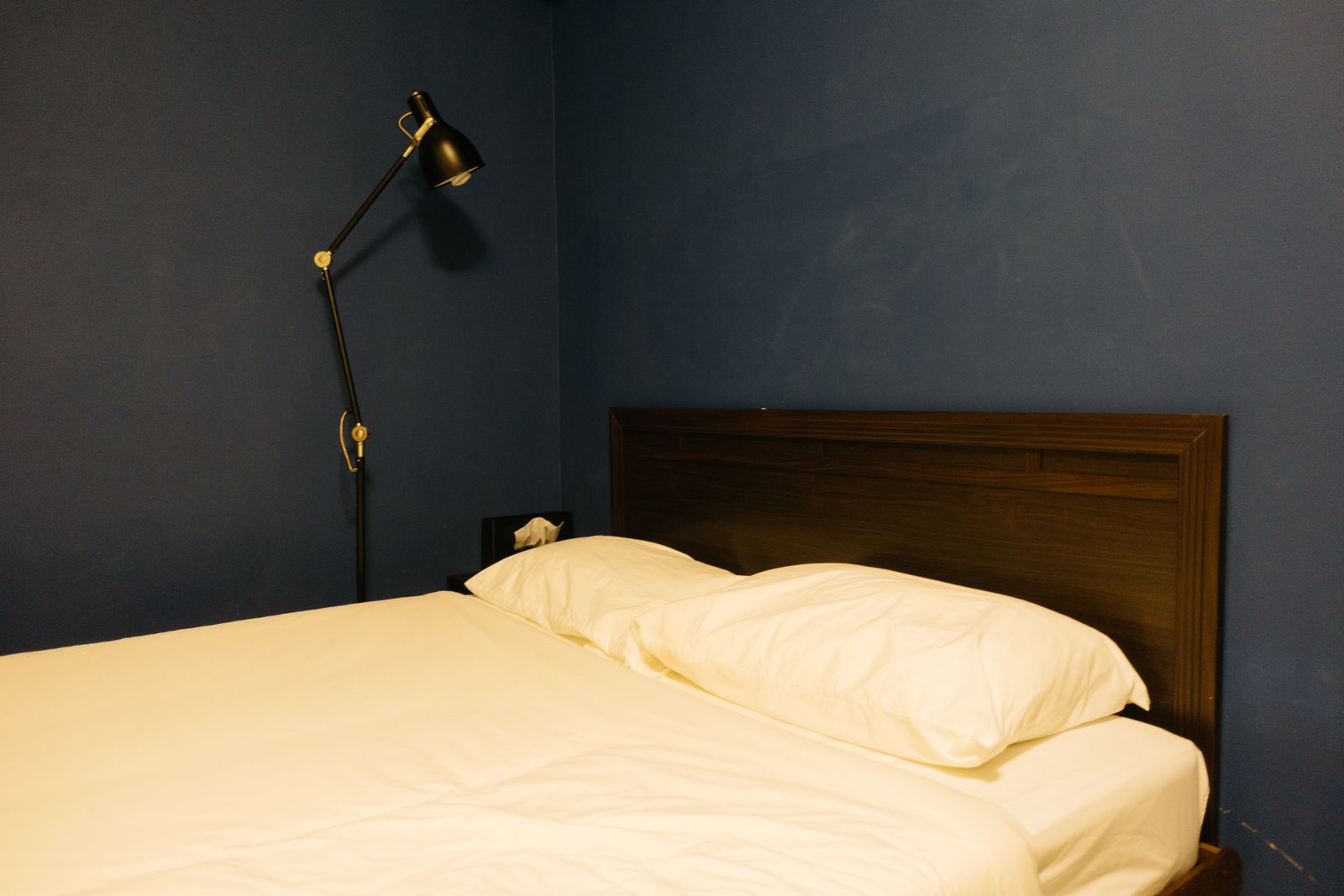
Score all 24 observations as PASS, CONCERN, or FAIL
The material veto and lighting observations together make the 24 checks. They do not happen before a separate scoring phase. Move each board through all four places at the same three times on two ordinary days.
- PASS: You would accept the color as seen during ordinary use.
- CONCERN: The change is noticeable but still livable.
- FAIL: You would not accept the color during ordinary use, including a candidate that makes two of the three fixed materials look unacceptably wrong.
A single FAIL removes that candidate. This is a strict standard, so one survivor is the expected ending. The tiebreak only matters in the less common case where both candidates finish all 24 checks without a FAIL.
EXPECTED RESULT
One candidate survives
That candidate wins. Record its manufacturer, color name, code, and selected regular-paint product.
EDGE CASE
Both candidates survive
Choose fewer CONCERN ratings, then the written room goal, then confirmed availability, then Candidate A.
CONTROLLED RESTART
Neither candidate survives
Use the written failures to choose two replacements. Change one named variable and begin one new two-day round.
Change one variable after a failed round
Define the failure before buying another sample. Color family is the broad group, such as beige or green. Undertone is the warmer or cooler cast revealed beside the room materials. Depth is how light or dark the color appears. Keep two variables steady and change only the one named by the failure.
- Too pink or yellow beside fixed materials: keep the family and similar depth; reduce the named undertone.
- Too dark at every useful place and time: choose one nearby lighter candidate in the same family.
- Wrong only after dark: test the lamp or bulb you intend to keep before buying another paint sample. DOE distinguishes a light’s color appearance from the way it renders object colors.
- Dull repairs or darker borders: correct the finish before sampling again.
- Good alone but bad beside two fixed materials: keep the family and depth; change the unwanted undertone.
If both candidates fail only after dark and the keeper lighting makes one acceptable in a diagnostic check, begin the next complete round with that lighting fixed. If both still fail, name the unwanted cast and choose two controlled replacements.
THE STOPPING POINT
Three rounds maximum. Six days maximum.
Every replacement round repeats the same four places, three times, and two ordinary days. An early double failure may shorten a round, but nothing extends this ceiling.
- Days 1–2First two candidates
- Days 3–4First controlled restart, only if both failed
- Days 5–6Final controlled restart, only if both failed again
- After day 6Stop buying samples. Change the color family or get help.
Budget about $16 for the first liquid-sample round
At prices checked August 16, 2026, two Benjamin Moore 8-ounce liquid samples cost $11.98 and two 20-by-30-inch Pen+Gear white foam boards cost $3.84. That puts the first round at about $16 before tax. One replacement sample and one new board add about $8. Prices vary by brand, retailer, and location.
Carry the winner into quantity and supplies
Keep the winning sample until the paint order is confirmed. Then calculate the wall area, coat count, product, sheen, and coverage rate in How Much Paint Do I Need for a Bedroom?. Build the cart from the screenshot-ready list in What You Actually Need to Paint a Bedroom.
The furniture-first color guide now has one canonical home: Bedroom Paint Colors That Work With the Furniture You Already Own. The older plural-slug address redirects there.
PAINT MY ROOM · IN DEVELOPMENT
Color settled? Put the rest of the room in one plan.
Paint My Room is being built to carry the winning manufacturer, color name, and code into quantity, supplies, budget, wall-condition checks, and the weekend work sequence.
GET THE NEXT STEP
Join the waitlist and I’ll tell you when Paint My Room is ready to turn the winning color into a finished room plan.