Remove venues that fail availability, approved attendance, venue spending limit, access needs, or available host labor. Rank survivors by one burden-matched measure; break ties by complete comparable price, host-work person-hours, booking cash, then original shortlist order. Keep at most three.
One person-hour means one person working for one hour.
Planning more than this one decision? Start with the free Ready Page and see which part of the shower actually comes next.
Put the whole shower in order →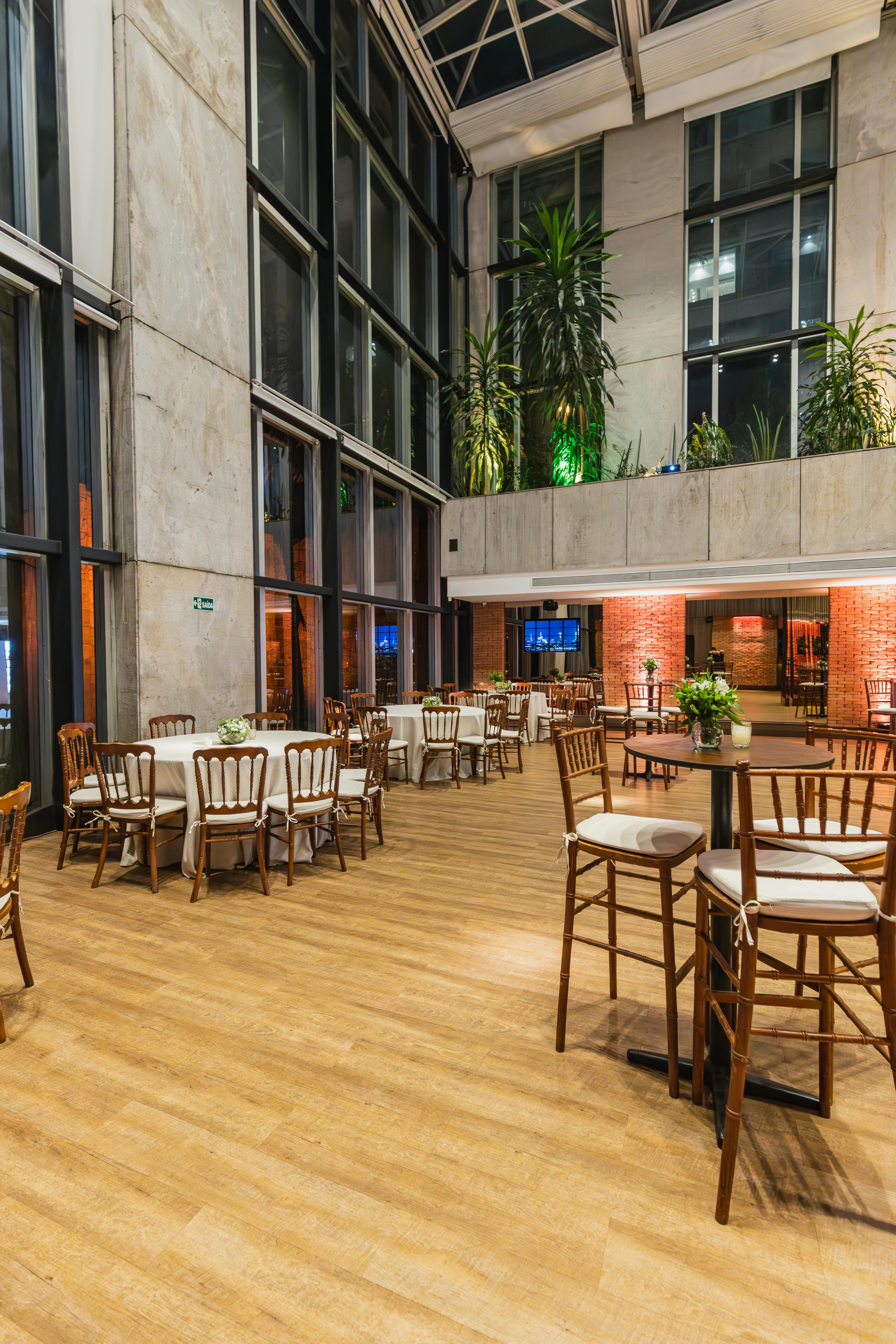
JUMP TO THE PART YOU NEEDOpen this guide’s sections
Use five hard filters before comparing venue routes
Write down the event window, approved attendance, venue spending limit, access needs, and available host labor before you look at rooms. The event window is the event date and guest hours plus the setup and cleanup access you need. Approved attendance is everyone expected on site at the busiest moment: the guest of honor, invited guests, hosts, children, helpers, and on-site vendors.
The venue spending limit is the most you can spend on a route’s complete comparable price. Access needs are the confirmed arrival, movement, seating, restroom, communication, and participation needs of the people invited. Available host labor is the total setup, food-service, and cleanup person-hours named helpers have committed within the event window. One person working for one hour supplies one person-hour.
For each candidate, calculate complete comparable price for the approved attendance and the same meal format = room or site charges + food and beverages for that meal format + required rentals + required insurance or permits + parking or transport you will pay + tax and mandatory charges + planned additional gratuity + every other venue-required vendor charge. Count an item already included in the venue invoice once. Do not add a deposit again when it applies toward that invoice; record cash due at booking separately and identify the nonrefundable portion. Calculate remaining host-work person-hours by adding setup, food handling or service, and cleanup person-hours the venue leaves to hosts.
Remove a candidate that is unavailable for the event window; cannot fit approved attendance; cannot meet every access need with a confirmed solution; exceeds the venue spending limit; or leaves more host-work person-hours than named helpers can cover. If zero candidates survive, do not send inquiries. Add one new candidate at a time and rerun the five hard filters until at least one survives; never lower an access need or hide a cost to make a room pass.
Choose one burden and use its matching ranking measure: for cash, use the lowest complete comparable price; for food labor, use the fewest food-service person-hours; for setup and cleanup, use the fewest combined setup-and-cleanup person-hours; for weather, rank every fully indoor candidate ahead of every outdoor candidate, even one with a backup. Rank every survivor with the one selected measure. If it ties, choose the lower complete comparable price; if price ties, choose fewer total remaining host-work person-hours; if that also ties, choose the lower cash due at booking. If cash due also ties, choose the candidate that appeared first on the original shortlist you wrote before sending inquiries. If more than three candidates survive, keep the top three after ranking and remove the rest.
For each venue, list every job it leaves with the host, multiply people by hours, and add the results.
| Route | Food work | Setup + cleanup | Total host work | Complete price |
|---|---|---|---|---|
| Home | 2 × 3 hours = 6 | 2 × 2 hours + 1 × 3 hours = 7 | 13 person-hours | $430 |
| Restaurant | 1 × 1 hour = 1 | 1 × 1 hour = 1 | 2 person-hours | $570 |
| Community room | 2 × 2 hours = 4 | 2 × 1.5 hours + 2 × 1 hour = 5 | 9 person-hours | $670 |
With a $700 venue limit, all three survive the price filter. Choose the restaurant when food labor is the ranking measure; choose the home when cash is the ranking measure.
The guest path can reject a pretty room
Parking or drop-off comes first. Walk from there to the entrance, seating, food, and restroom. Check steps, gravel, narrow doors, long routes, lighting, temperature, noise, and places where a buffet line blocks movement.
Ask a guest who has disclosed an access need what will help. Do not substitute a venue representative’s “accessible” for the actual route. Evaluate arrival, parking, entrances, movement through the site, participation, and common amenities during site selection. Late access fixes often cost more and work less well.
Rules differ by country, state, locality, and property type. For a U.S. public accommodation, confirm applicable federal, state, and local requirements with the venue and the relevant authority. For a private home, test the actual guest route against the needs of the people you invited.
Remove the room if an access need for the approved attendance has no confirmed solution before booking.
A home works only when the house already fits
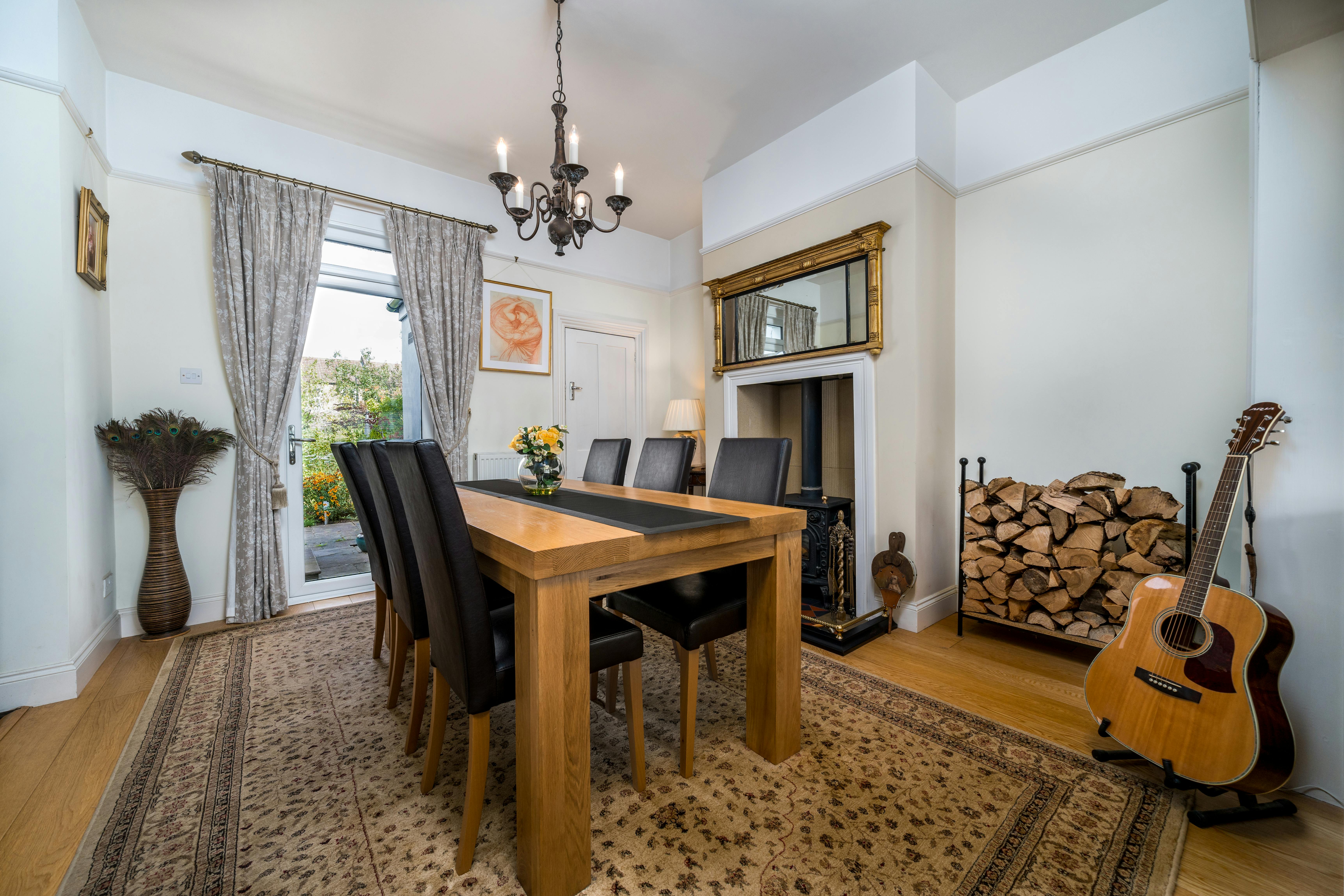
Choose a home when seats, a usable bathroom, parking, refrigeration, and a workable arrival route already exist. A familiar kitchen and a long setup window can save real money.
Count the work the free room creates: deep cleaning, furniture moving, borrowed tables, pet arrangements, food service, trash, and the second cleaning after everyone leaves. Free rooms send invoices in chores.
If the home is a short-term rental, get the owner’s written permission and verify the listing’s allowed attendance, house rules, parking, and local restrictions before it stays on the shortlist. Airbnb’s current Community Disturbance Policy prohibits open-invite and disruptive gatherings and identifies parking and trash nuisances as possible disturbances. That is Airbnb platform policy only; the owner, contract, and local rules can be stricter.
Walk the house with the expected seating in place. Remove it if required furniture, rentals, or moving work pushes the complete comparable price above the venue spending limit; if the guest route fails an access need; or if remaining host-work person-hours exceed available host labor.
A restaurant earns its price by removing food labor
Choose a restaurant when cooking, holding food at safe temperatures, dishes, and cleanup are the host’s hardest burdens. Ask who sets the room, serves drinks, replenishes food, clears plates, cuts cake, and cleans afterward.
Request the complete estimated invoice: food or room minimum, drinks, tax, mandatory charges, additional gratuity, cake fee, deposit, cancellation terms, and event hours. A charge named ‘service’ does not tell you what the staff will do.
Remove the restaurant if its complete comparable price exceeds the venue spending limit or an important promise stays out of the written agreement.
A community room saves cash by leaving work behind
Choose a church hall, clubhouse, library room, or municipal room when a home is too small and restaurant service costs too much. Confirm the tables, chairs, parking, building hours, keys, refrigerator, food-preparation limits, trash rules, cleaning rules, and insurance requirements.
List the work the room leaves with the host: opening, setup, food transport, serving, trash, reset, and locking up. The lower fee works only when enough help exists to cover that labor.
Remove the room if access hours are too short, the kitchen cannot support the menu, or its remaining host-work person-hours exceed available host labor.
A dedicated venue earns the fee only by replacing purchases and labor
Choose a dedicated venue when its capacity, furniture, parking, access, appearance, or staff replaces things you would otherwise rent, buy, or do. Price the room that will actually be delivered, including required vendors, furniture, linens, staffing, cleaning, insurance, security, and overtime.
Pretty windows do not stack chairs.
Remove the venue if the base fee buys an empty room and required extras push the complete comparable price above the venue spending limit or remaining host-work person-hours above available host labor.
Outdoors needs a reserved indoor backup
Choose an outdoor space only when shelter, restrooms, shade, power, seating, a smooth access route, and cold storage are confirmed. The outdoor atmosphere adds weather and food-safety infrastructure instead of removing work.
Reserve an indoor weather backup for the same event window and approved attendance. Remove the outdoor site if that backup is not reserved before booking.
For outdoor service, U.S. food-safety guidance requires that cold perishable food should stay at 40°F or below, hot food at 140°F or above, and food in the 40–140°F range should not remain there longer than two hours—or one hour above 90°F outdoors. Use a stricter venue or local health rule when one applies. Remove a site that cannot support the food safely.

The complete written quote confirms or selects the winner
Send the same inquiry to every finalist as soon as ranking leaves one to three. State the event window, approved attendance, meal format, alcohol decision, access needs, cake and décor plans, weather backup, and the ranking measure. As the Short Plan default, set the reply deadline 48 hours before you intend to book.
Ask for the complete comparable price and written agreement. Recalculate the price from the quote, put it beside remaining host-work person-hours, and rerun the five hard filters. Record cash due at booking and identify its nonrefundable portion.
Remove a candidate that misses the reply deadline or leaves a hard-filter question unanswered. A vague quote is a future argument.
Stop when one room wins the filters and tie-breakers
The venue decision is finished when one room is available for the event window; passes the five hard filters and every requirement in its route section; wins the selected ranking measure and tie-breakers; and has a written quote and agreement confirming the promises that made it win.
Save the quote and signed agreement. Book the room, record the deposit and deadlines, and stop touring.
Your venue decision is complete. Put its approved attendance, complete comparable price, access promises, host-work person-hours, and booking deadlines into the free Bridal Shower Ready Page; the coming-soon Short Plan will carry them into food, budget, setup, cleanup, and payments.
The venue is chosen.
That one choice now controls capacity, food rules, arrival time, setup, parking, cleanup, décor, and what has to be transported.
Give those venue rules to the Bridal Shower Builder once. It carries them into the rest of the shower so you do not have to remember which decisions the venue changed.
You can stop at the level of help you need.
| You need | Use this |
|---|---|
| An answer to this one question | This guide — free |
| The entire bridal shower in the right order | The Bridal Shower Short Plan |
| A plan built from your date, guests, venue, budget, food route, helpers, and constraints | Bridal Shower Builder — $39 |
The Builder is not more bridal-shower advice. You answer the questions once. It turns those answers into your deadlines, quantities, shopping, helper jobs, setup, and party-day run sheet.
Build My Bridal Shower →